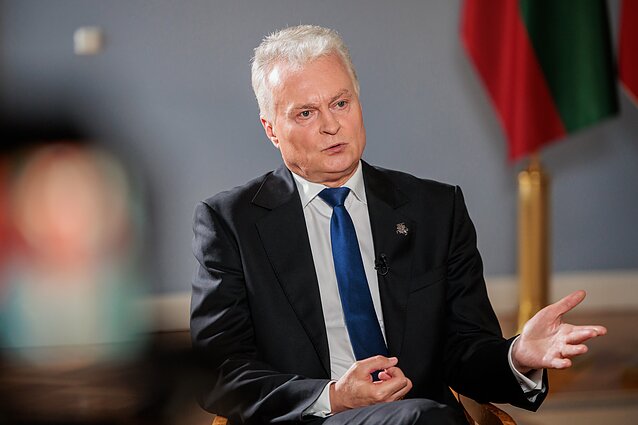













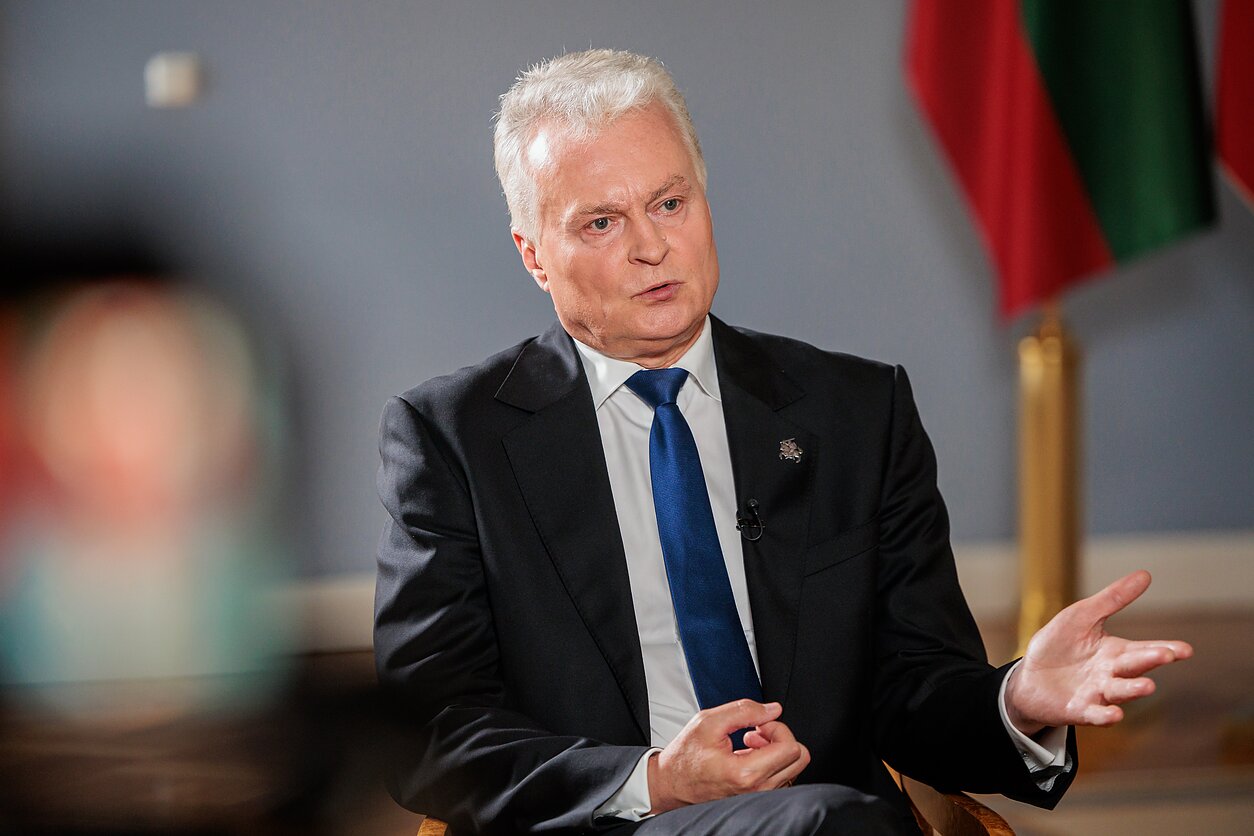
Lithuanian President Gitanas Nausėda said Tuesday he does not believe that a secret CIA prison operated in Lithuania and sees no reason to reopen the case.
His comment follows a new ruling by the European Court of Human Rights in favour of a detainee who sued Lithuania.
“I honestly don’t know what additional investigations could provide new momentum to this story,” Nausėda said in an interview with BNS. “It has already been assessed, investigations were carried out and concluded that such a prison did not exist. I very much doubt that new investigations would change anything.”
A parliamentary inquiry in 2009 said it found no direct evidence that CIA detainees had been brought to Lithuania, although it concluded that the conditions for such transfers had existed.
Asked whether he believes a CIA detention facility operated in Lithuania, Nausėda replied: “I can only say what I think. I think it did not.”
His comments came days after the European Court of Human Rights ruled that Lithuania violated the rights of Saudi Arabian national Abd Al Rahim Hussein al-Nashiri by allowing him to be held in a secret CIA detention facility in the country about two decades ago.
The court awarded al-Nashiri 30,000 euros ($35,000) in damages and ordered Lithuanian authorities to seek assurances from the United States that he would not face the death penalty if convicted on terrorism-related charges.
It was the third time the Strasbourg-based court has ruled against Lithuania in a case involving alleged CIA secret detention sites.
Nausėda said court rulings must be respected but suggested Lithuania should further consider how to implement the part of the judgment requiring it to approach the United States.
“We still need to discuss that,” he said, adding that any decision would depend on the broader context.
“We must also assess the fact that we would be approaching another state with certain recommendations, which could also be interpreted as interference in another country’s internal affairs,” Nausėda said. “There are many aspects to this, and we should not make unprofessional or amateur decisions. We have to consider the full range of legal and political factors.”
Lithuanian officials have consistently denied that a secret CIA prison operated in the country in the mid-2000s.
While the European court has repeatedly reached the opposite conclusion, Lithuanian authorities have argued that the rulings rely primarily on evidence gathered by human rights organisations rather than official investigations.
In 2018, the ECHR ruled for the first time that Lithuania had hosted a secret CIA prison in 2005 and 2006 and that another Saudi national, Abu Zubaydah, had been detained there. In January 2024, the court awarded 100,000 euros to Saudi national Mustafa al-Hawsawi over his unlawful detention.
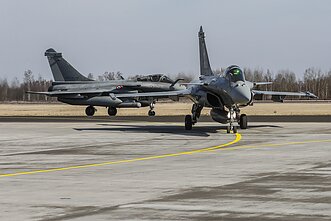
A parliamentary inquiry in 2009 found no evidence that CIA detainees had been brought to Lithuania. However, it concluded that the conditions for such transfers had existed. According to the report, CIA-linked aircraft did land in Lithuania and Lithuanian officers were prevented from inspecting them. It also said that, per a CIA request, a facility in Lithuania had been equipped to hold prisoners.
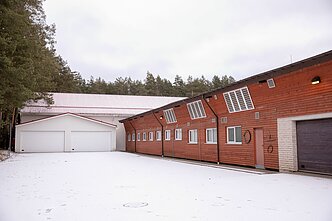
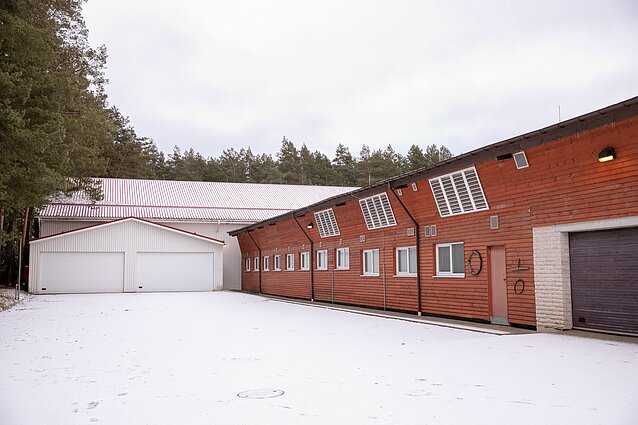
Lithuanian officials maintain that the facility in Antaviliai, near Vilnius, served as an intelligence support centre rather than a prison and insist aircraft linked to the CIA transported communications equipment, not detainees.
Lithuanian prosecutors first opened an investigation into the alleged CIA prison in 2010 but closed it a year later. The investigation was reopened in 2015 following the publication of a US Senate report on the CIA’s secret detention program, which human rights groups say identified Lithuania as the location of one of the agency’s so-called “black sites”, although the report did not name the country explicitly.
Further reading

Newsletter
Every Friday morning.